ServicesCollision Repair
Collision Repair in Huron
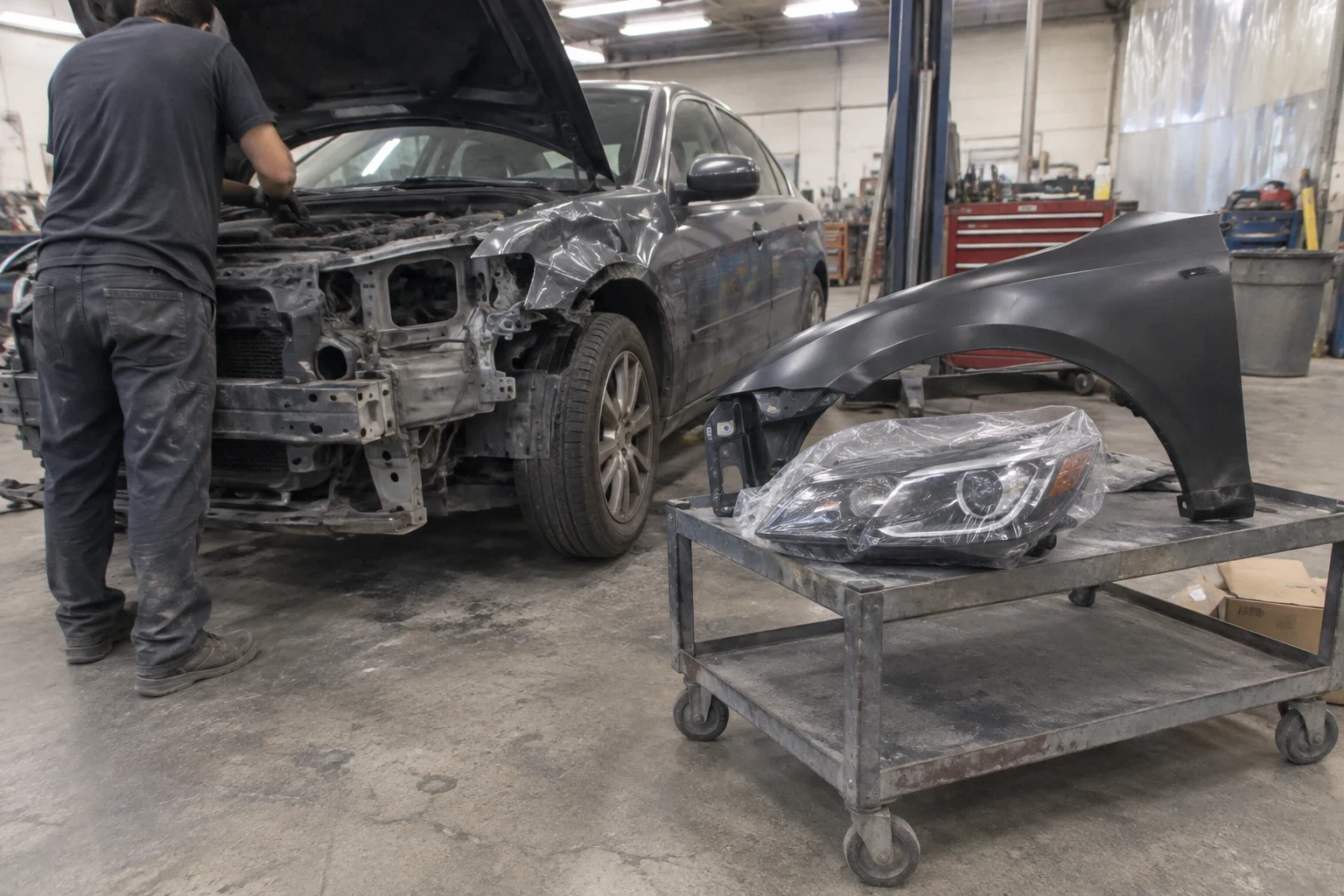
After a crash, the damage you see is only part of it. We take your car apart, take pictures of what we find, and fix it step by step. You get those pictures, so you know exactly what was done and why.
What collision repair covers
Collision repair is the work that puts your vehicle back to how it was before the accident. That means the bent panels and broken lights you can see. It also means the brackets, supports, sensors and wiring behind them that you can't.
Most cars today are built to crumple in a crash to protect the people inside. That is good for you, but it means a small-looking hit can push damage deep into the car. A cracked bumper cover can hide a crushed reinforcement bar, a bent radiator support or a knocked-out radar sensor.
Our job is to find all of it, show it to you, and fix it right. We are I-CAR Gold certified, which means our techs keep up with how newer vehicles are built and repaired.
What the work includes
- Teardown and damage photos
- We remove the damaged parts to see what is underneath. Every problem we find gets pictured before we touch it.
- A written, line-item estimate
- You get a list of each part and each labor step. If we find more once the car is open, we stop, take pictures and talk to you before going further.
- Structural and panel repair
- We repair or replace damaged panels, supports and mounts. If the frame or unibody is out of line, that work is handled as part of the job through our frame straightening service.
- Paint matched to your car
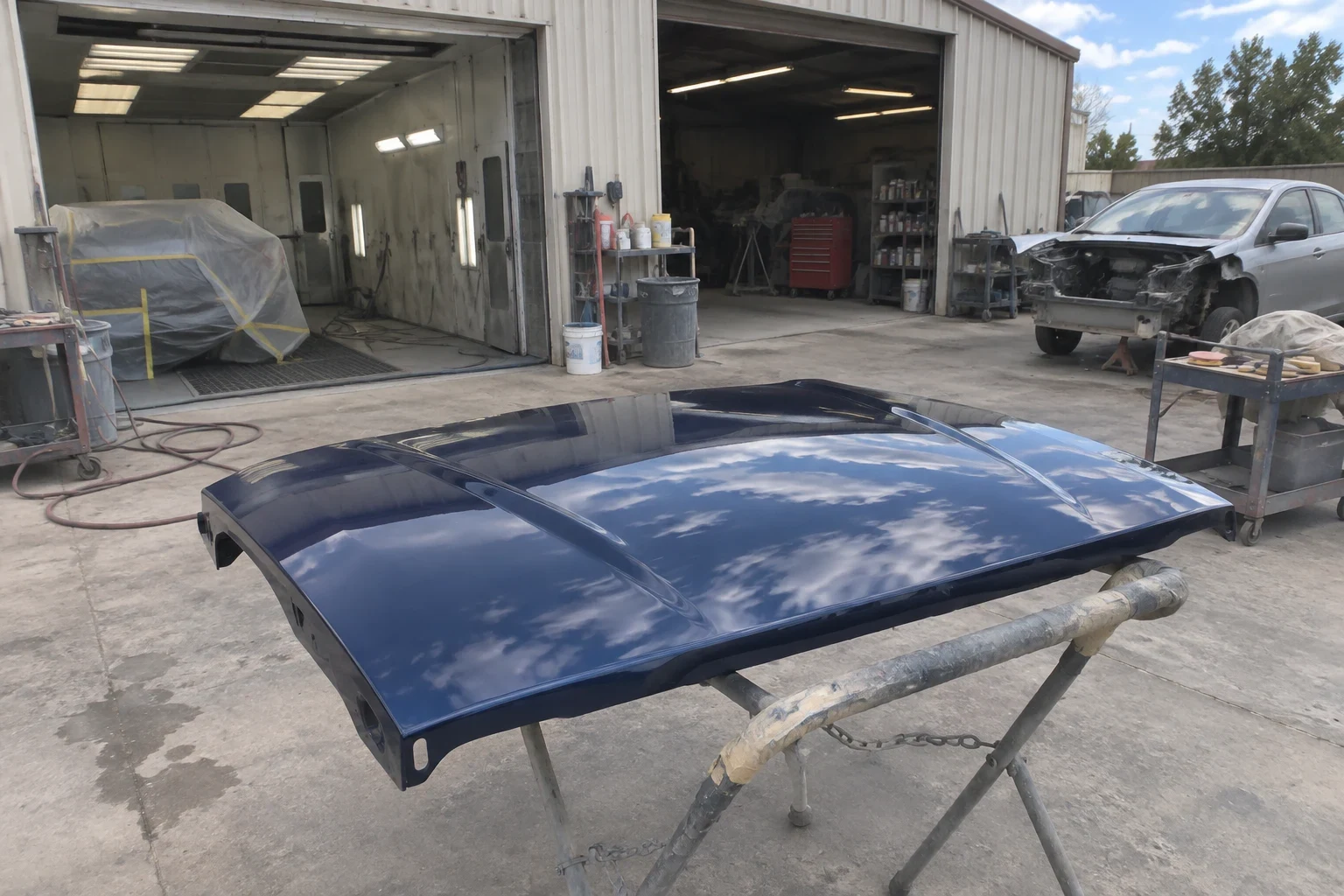
- New and repaired panels are primed, painted and blended into the panels next to them. The goal is a finish you can't pick out in daylight.
- Electronics check
- We scan your vehicle's computer before and after the repair. Cameras, parking sensors and warning lights get checked so nothing is left flashing on the dash.
- Pictures of the finished work
- Before you pick up, you get pictures of the repair at each stage, not just the shiny end result.
Signs your car needs more than a quick fix
Panel gaps are uneven
Look along the seams around the hood, fenders and doors. When one side is wider than the other, a part behind that panel has shifted.
Doors or the trunk don't close right
A door that sticks or a trunk lid that won't latch after a hit often means the opening itself got pushed out of shape.
New warning lights
Airbag, lane-assist or parking sensor lights after a crash point to damaged sensors or wiring. Those should be checked before you drive much.
The car pulls or the wheel sits off-center
After a front or side hit, a crooked steering wheel can mean suspension or structural damage, not just a bad alignment.
Leaks under the front end
Green, pink or orange fluid after a front hit usually means the radiator or condenser took a blow. In a Central Valley summer, running low on coolant can cook an engine fast.
What moves the cost of collision repair
Two crashes that look alike from the curb can cost very different amounts to fix. The real number depends on what is behind the panels. That is why we open the car up and show you pictures before we give you a firm figure.
Hidden damage
Crushed supports, bent brackets and broken clips add parts and labor. This is the biggest swing between a first look and the final bill.
Parts choice
New factory parts, aftermarket parts and good used parts all cost different amounts. We tell you which we plan to use and why.
Sensors and electronics
Cars with cameras and radar in the bumper or windshield may need those checked and reset after the repair, which adds time.
Paint and blending
Some colors, like pearls and tri-coats, take more steps to match. Blending into nearby panels adds work but keeps the color even.
Structural work
If the frame or unibody needs pulling back into spec, that is extra time on the measuring and straightening equipment.
How a collision repair runs at our shop
- 1
You call and bring the car in
Tell us what happened and set a time to drop off your vehicle. If it isn't safe to drive, let us know when you call.
- 2
We inspect and take pictures
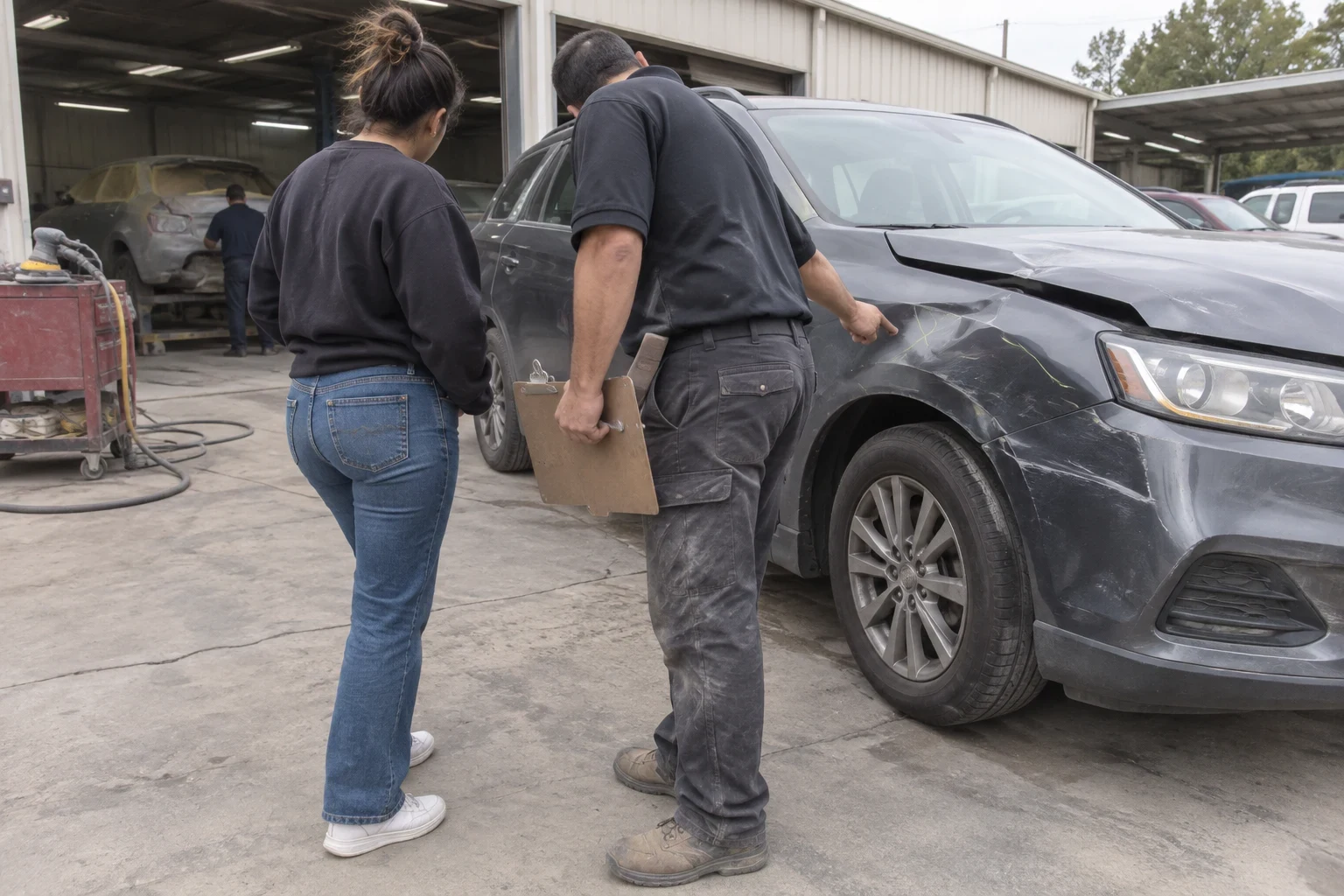
We look the car over, take it apart where needed and document the damage. You get the estimate along with those pictures.
- 3
You approve the plan
Nothing gets ordered or repaired until you say go. If insurance is involved, we send them the same pictures and estimate.
- 4
Repair, paint and reassembly
We fix the structure first, then the panels, then paint. We send pictures as we go, so you can see the progress without driving over.
- 5
Final check and pickup
We road test the car, rescan the electronics and clean it up. At pickup we walk you through the full set of pictures from start to finish.
Collision repair questions
How long will my car be in the shop?
It depends on the damage and how fast parts arrive. A light hit may take a few days. A bigger repair with structural work can take a couple of weeks or more. We give you an expected timeline with the estimate and update you if parts are delayed.
Can my insurance company send my car to a shop of its choosing?
Not without your say. In California, the driver decides where the car gets fixed. Your insurer may hand you a list of shops it likes, but you can bring your vehicle to us instead. Our Insurance Claims page explains how we work with adjusters.
Will you really send me photos?
Yes. You get pictures of the damage when the car is opened up, and more as the repair moves along. You can see what we found and what we did without taking our word for it.
What if you find more damage after you start?
We stop and take pictures of it. Then we call you and, if there is a claim, send them to your insurer too. No added work happens until it is approved.
Can I drive my car in, or should it be towed?
If the lights work, nothing is leaking, the steering feels normal and no airbag light is on, driving it in is usually fine. If you are unsure, describe the damage when you call and we will help you decide.
Get your car looked at
Bring your vehicle in from Huron, Lemoore, Coalinga or nearby. We'll open it up, take pictures of what we find and walk you through the estimate.